

Tips and Tricks for Windsor Homeowners
In Windsor, Ontario, and surrounding areas like LaSalle, Tecumseh, and Amherstburg, homeowners often encounter minor issues with their upholstery. Whether it’s a small tear on a sofa or a stain on a car seat, knowing how to tackle these repairs can save time and money. In this blog post, we’ll explore DIY upholstery repair techniques tailored to the needs of Windsor residents. From basic tools to step-by-step instructions, you’ll gain valuable insights into maintaining and repairing your upholstery with ease.
Understanding Upholstery:
Before diving into repair techniques, it’s essential to understand the basics of upholstery. Upholstery refers to the soft, padded material covering furniture, car seats, and other items. It typically consists of fabric, padding, springs, and webbing, all held together by stitching or adhesive. By familiarizing yourself with the anatomy of upholstery, you’ll be better equipped to identify and address common issues.
DIY Upholstery Repair Tools:
To effectively repair upholstery at home, you’ll need a few essential tools. These include:
– Upholstery repair kit: A comprehensive kit containing fabric patches, adhesive, and other repair materials.
– Scissors: Sharp scissors for cutting fabric and trimming loose threads.
– Needle and thread: A sturdy needle and durable thread for stitching torn upholstery.
– Fabric glue: High-quality fabric glue for securing loose seams and edges.
– Upholstery brush: A soft-bristled brush for cleaning and grooming fabric surfaces.
Now that you’ve assembled your tools, let’s explore some DIY upholstery repair techniques:
1. Patching Tears and Holes:
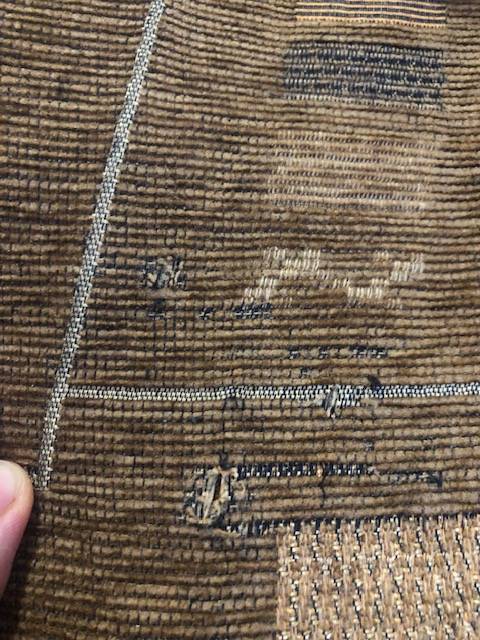
For small tears and holes in upholstery fabric, patching is an effective solution. Start by cleaning the damaged area and trimming any frayed edges with scissors. Then, apply fabric glue to the patch and carefully press it onto the damaged area. Allow the glue to dry thoroughly before using the repaired upholstery.
2. Restoring Cushion Support:
Over time, upholstery cushions may lose their shape and supportiveness. To restore cushion support, consider adding additional filling material such as foam or batting. Remove the cushion cover, insert the filling material, and adjust it to achieve the desired level of firmness. Finally, reattach the cover and enjoy renewed comfort.
3. Repairing Loose Seams:
Loose seams can detract from the appearance of upholstery and compromise its durability. To repair loose seams, thread a needle with strong upholstery thread and carefully stitch along the seam, reinforcing it with additional stitches as needed. Be sure to maintain consistent tension to ensure a secure repair.
4. Removing Stains and Odors:
Stubborn stains and unpleasant odors are common challenges in upholstery maintenance. To remove stains, start by blotting the affected area with a clean cloth dampened with upholstery cleaner or a mixture of mild detergent and water. For odors, sprinkle baking soda over the upholstery surface and allow it to sit for several hours before vacuuming it away.
Conclusion:
With the right tools and techniques, DIY upholstery repair is within reach for Windsor homeowners. By following the tips outlined in this blog post, you can address minor issues and prolong the life of your upholstery. Remember to source quality materials and proceed with caution, especially when working with delicate fabrics. With practice and patience, you’ll become adept at maintaining and repairing your upholstery, ensuring comfort and functionality for years to come.
Source: TopHide.ca – Windsor’s Trusted Upholstery Repair Service
Hashtags: #WindsorUpholstery #DIYRepair #HomeMaintenance #WindsorHomeowners #UpholsteryTips #WindsorOntario #LaSalle #Tecumseh #Amherstburg
